The Complete Guide to Gaming T-shirt Design Templates: From Creation to Commerce
In the vibrant intersection of gaming culture and personal expression, a unique digital product has become a cornerstone: the gaming t-shirt design template. More than just a graphic, these templates represent a bridge between a passionate hobby and a tangible, wearable art form. For creators, entrepreneurs, and fans alike, understanding these tools opens a world of opportunity, blending creativity with practical business application.
What Exactly is a Gaming T-shirt Design Template?
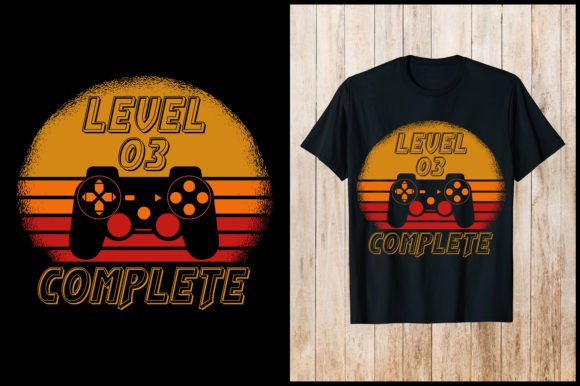
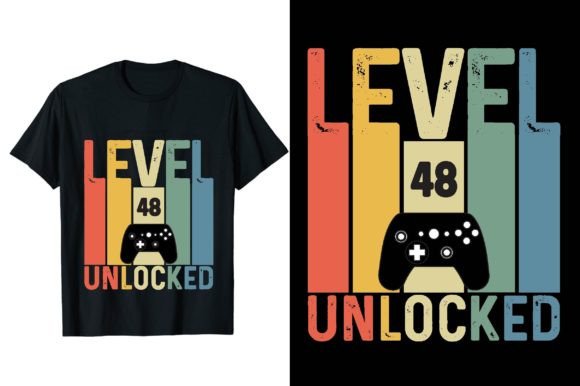
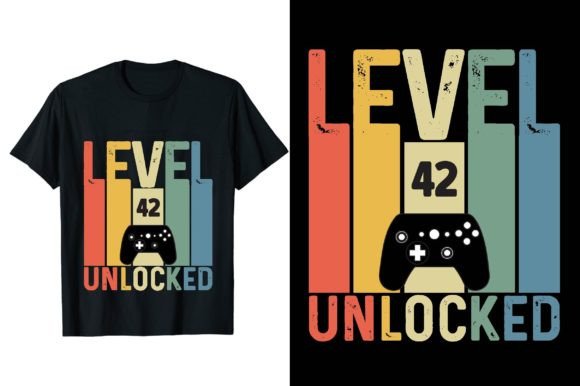
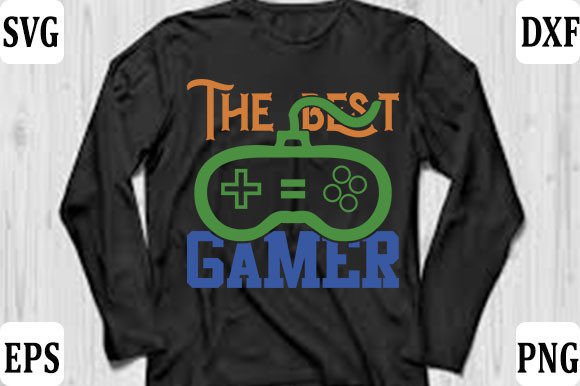
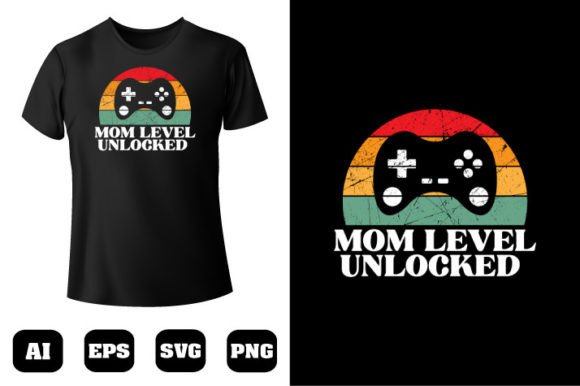
At its core, a gaming t-shirt design template is a pre-designed digital file specifically crafted for printing on apparel and other merchandise. It’s the blueprint for the final product. Unlike a simple image, a professional template, like the “Retro Gaming” or “Gaming T-shirt Design” examples provided, is a layered, editable artwork package. It comes in multiple file formats—such as AI, EPS, PDF, SVG, and PNG—each serving a distinct purpose in the design and print process. This isn't just a picture; it's a flexible, modifiable project file ready for customization and production.
Deconstructing the Template's Anatomy: Key Features Explained
The value of a high-quality template lies in its technical construction, which empowers the user rather than limiting them. Let's explore the common features listed:
- Separate Layer Groups: Each element of the design—text, main illustration, background effects, icons—exists on its own layer. This allows for easy editing, repositioning, or removal without affecting the rest of the artwork, much like having separate transparent sheets stacked together.
- Easy to Color Change Each Element: Colors are not locked in. A designer can instantly shift the palette to match a specific game theme, personal preference, or brand identity, enabling endless variations from one master file.
- Easy to Modify & Fully Editable Design: Using standard graphic software like Adobe Illustrator, the entire design can be altered. Text can be changed, shapes resized, or new small graphics added. This transforms a template from a single idea into a springboard for your own creativity.
- 100% Ready For Print & Source Files: This is the crucial commercial-ready aspect. The files are configured at a high resolution (300dpi) and in formats that professional printers and print-on-demand services require. The "source files" (AI, EPS) are the gold standard for industry use, ensuring quality is maintained from screen to fabric.
The Purpose and Significance: Why These Templates Matter
Gaming t-shirt design templates serve multiple significant roles in today's digital ecosystem. They democratize design for a niche community. Not every gaming enthusiast is a professional graphic artist, but many have a clear vision for merchandise that celebrates their favorite franchise, retro console, or in-game moment. A template provides the high-quality artistic framework, allowing them to customize and realize that vision without years of design training.
Furthermore, they are a vital tool for micro-businesses and side hustles. The rise of print-on-demand platforms has made it feasible for individuals to launch an e-commerce store selling customized apparel with minimal upfront investment. A well-crafted template is the primary asset in such a venture. Its adaptability means one template can generate an entire line of products—different colors, slight text variations—appealing to various sub-groups within the gaming community.
Beyond the T-shirt: Practical Applications in Modern Life
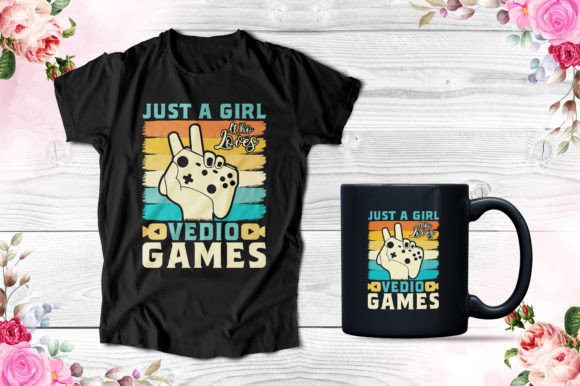
The description mentions the template is suitable for mugs, pillows, bags, and more. This highlights its true practical relevance. A single, versatile design asset can be leveraged across an entire merchandise catalog. This multi-use capability is key for brand consistency and efficiency. A small business owner can offer a cohesive product range featuring the same beloved gaming motif, catering to different customer needs and increasing overall sales potential.
In daily activities and community building, these designs foster identity and connection. Wearing or using a custom item featuring a classic pixelated character or a modern game logo is a personal statement and a signal to others. It turns daily life into a subtle, fun form of community engagement. In educational contexts, such templates can also be used in graphic design courses as practical, real-world projects for students learning vector editing and print preparation.
Clarifying Common Misunderstandings
Several assumptions often cloud the understanding of design templates. First, some believe using a template is simply "copying" or lacks originality. In reality, a professional template is a starting tool. The final product becomes original through the user's customization choices—color schemes, text additions, layout adjustments, and the context in which it's sold. It's analogous to using a high-quality camera: the tool enables the creation, but the photographer's choices define the art.
Another misconception is about file formats. The inclusion of a PNG file might lead some to think that’s all they need. While the PNG (with a transparent background) is excellent for quick online mockups or some digital uses, the vector-based source files (AI, EPS, SVG) are indispensable for physical printing. They ensure the design scales to any size—from a small mug print to a large hoodie—without losing sharpness or becoming pixelated. Understanding this distinction is critical for producing quality goods.
How to Utilize a Template: A Natural Workflow Example
Imagine a fan of retro arcade games who purchases the "Retro Gaming T-shirt Design Template." Their workflow might look like this:
- They open the AI file in Illustrator. They see the layers: a central 8-bit character, geometric background elements, and placeholder text saying "GAME ON."
- They decide to change the character's colors from original to a classic Mega Man blue and red scheme using the easy color change feature.
- They modify the text layer to read "RETRO REVIVAL" and choose a pixel-font to match the aesthetic.
- They now have a unique design. They use the PNG to create a preview image for their online store. Then, they upload the final, edited EPS file to a print-on-demand service like Printful or Teespring.
- They link that product to their store, not only for t-shirts but also selecting options to apply the same design to mugs and tote bags, creating a coordinated product line with minimal extra work.
This example shows how the template fuels a journey from personal idea to functional product.
Building a Broader Understanding: The Ecosystem of Digital Design Assets
Gaming t-shirt templates are a specific category within the larger market of digital design assets for merchandise. They exist because of a confluence of factors: the massive, global gaming culture, advancements in digital printing technology, and the entrepreneurial spirit enabled by e-commerce platforms. Their existence supports a creative economy where artists can sell their designs as templates to other creators, who then build businesses around them—a collaborative chain that benefits multiple parties.
For the general reader, appreciating this topic means seeing beyond the graphic itself. It’s about understanding a modern, accessible pathway to creativity and commerce. It empowers fans to become creators and allows small business owners to compete in niche markets with professional-quality products. The template is more than a file; it’s an instrument for participation in the gaming community’s economy and culture.
In conclusion, high-quality gaming t-shirt design templates are foundational tools in today's maker economy. They balance artistic quality with practical editability, serving both personal expression and commercial venture. By providing the essential files and flexible features, they lower the technical barrier to producing great merchandise, allowing passion for gaming to translate into wearable, usable, and shareable art. Whether for a single custom gift or the foundation of a small brand, these templates are a key resource, transforming digital pixels into real-world products.