Beyond a Simple Graphic: Understanding the "It's a Good Day for Gaming" T-shirt Design
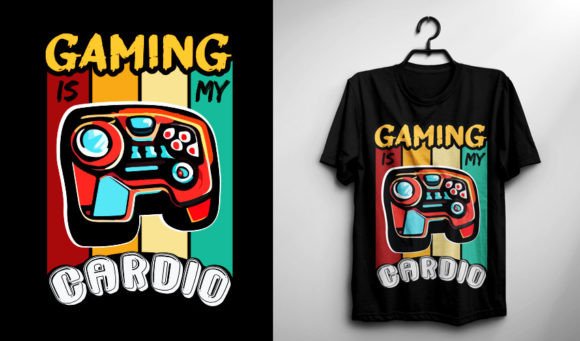
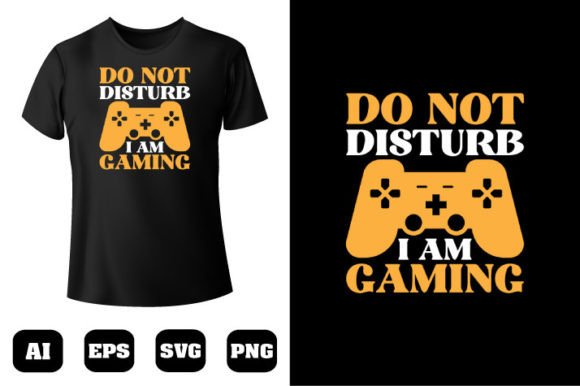
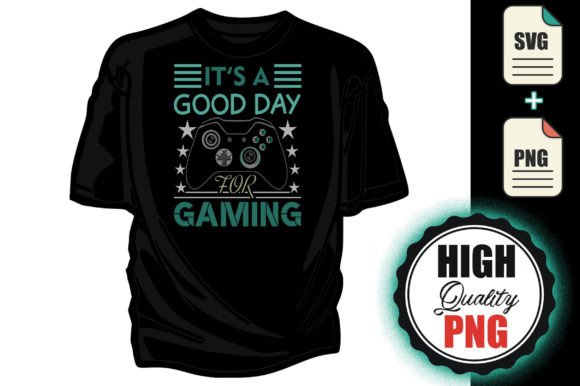
For many in the gaming community, apparel is more than just clothing; it's a statement of identity and passion. A design like "It's a Good Day for Gaming" taps directly into that sentiment. It’s a celebration of the hobby, a ready-to-print graphic available in high-resolution PNG and SVG formats, perfect for creating custom merchandise. Its appeal spans casual gamers, content creators, and small business owners looking to connect with this vibrant audience. However, the path from downloading a file to a successful final product is where many subtle, yet costly, mistakes are made.
The High-Resolution Promise and the Reality of Application
You receive files boasting 300 DPI and dimensions of 3,600 by 4,208 pixels. This is excellent quality for professional printing. A common oversight, however, is assuming this guarantees perfection on any item or any platform. The high resolution is intended for physical print mediums like t-shirts, where detail retention is crucial. If you plan to use this design for digital purposes—like a website banner or a small social media avatar—you'll need to resize it appropriately. Using a 4,208px tall image online will lead to painfully slow load times and a poor user experience.
A better approach is to view the SVG and PNG as your master source files. For print, send them directly to your vendor. For web use, create downscaled, optimized versions. This preserves the quality for each specific use case. Another frequent misunderstanding revolves around the SVG file. While it’s a vector format and should be infinitely scalable, not all printing companies or software handles complex SVG files perfectly. Always confirm with your printer that they accept SVG and ask if they have any specific file requirements to avoid unexpected rasterization or color shifts.
Choosing a Printing Method: Not All Transfers Are Equal
With a cool, popular design in hand, the next critical decision is how to put it on a shirt. The two dominant methods are Direct-to-Garment (DTG) printing and heat transfer vinyl (HTV). Each has its own profile for cost, durability, and feel, and choosing the wrong one for your goals can affect satisfaction dramatically.
DTG printing is like an industrial inkjet printer for fabric. It works best on cotton and can reproduce the full detail and color gradation of your high-res PNG file. A mistake here is using a blended fabric like a polyester-cotton mix without testing; results can be faded or cracked. Heat transfer vinyl, often used for simpler, solid-color designs, is a common misapplication for this type of graphic. The "It's a Good Day for Gaming" design likely has shading, detail, and possibly color blends that HTV cannot replicate faithfully. The final product will feel like a thick plastic layer on the shirt and may lack the artistic nuance of the original file.
Your practical checklist should include: fabric composition (100% cotton is safest for DTG), your budget (DTG often has higher setup costs but lower per-unit costs for detailed designs), and the desired end-user experience. For a soft, wearable, detailed garment that honors the artwork, DTG is usually the advised route. Always request a sample print from your provider before committing to a large order.
Color Management and Background Neglect
Here’s a detail that is routinely overlooked: the design file likely has a transparent background (especially the PNG). This is a gift, allowing you to place the graphic on any color shirt. The error occurs when individuals, using basic software, accidentally add a white or colored background behind the design before sending it to print. This creates an unintended solid block behind the text and imagery, completely altering the intended aesthetic. Always verify your file maintains transparency before submission.
Furthermore, color interpretation matters. Your screen shows colors in RGB mode, but many professional printers use CMYK color profiles. While the difference might be subtle for some designs, it can be noticeable for specific blues or vibrant greens. If color accuracy is paramount—for instance, matching a specific game’s logo color included in the design—you should discuss this with your printer and ask for a color proof. Don’t assume what you see on your monitor is exactly what will appear on the fabric.
From Personal Use to Commercial Venture: Licensing and Scale
Many entrepreneurs and small business owners see a popular design like this and immediately think of selling t-shirts. This is a valid path, but it’s fraught with a fundamental legal mistake: assuming the purchase of a printable file grants full commercial licensing rights. This is often not the case. The standard transaction for such a vector SVG image is usually for personal use or limited commercial runs. Selling thousands of shirts without explicit, written permission for extended commercial licensing can lead to serious legal repercussions.
The corrective action is simple but non-negotiable: read the product description or license agreement from the designer or platform where you obtained the "It's a Good Day for Gaming" t-shirt design. Look for terms like "Personal Use," "Commercial Use," "Small Business License," or "Unlimited Production." If it's unclear, contact the seller directly for clarification. Investing in the correct license from the start protects your business and respects the creator’s work. This step is as important as checking the file resolution.
For bloggers, educators, or content creators using the design in videos or websites, the same principle applies. Ensure your license covers digital publication and presentation. Using the graphic without permission in a monetized YouTube video, for instance, could constitute a copyright violation.
Integration and Presentation: Making the Design Work for You
Finally, consider the design’s integration into your larger goals. If you’re a marketer using this for a gaming event, the t-shirt is part of a system. A mistake is treating it as an isolated item. The design should complement your other branding materials. Does the style and color scheme of the graphic align with your website or social media graphics? Consistency strengthens your message.
For the hobbyist or consumer making a single shirt, the better approach is to think about garment quality. A great design printed on a cheap, ill-fitting t-shirt feels disappointing. Pay attention to the shirt's weight, cut, and collar style. A premium design deserves a premium base garment. This elevates the final product from a simple novelty to a cherished piece of apparel.
In essence, the "It's a Good Day for Gaming" t-shirt design is a powerful starting point. Its high-quality PNG and SVG files offer tremendous flexibility. By avoiding the common pitfalls of misapplication, incorrect printing methods, color negligence, licensing oversight, and poor integration, you can ensure that the final result—whether one shirt for yourself or a batch for your community—truly lives up to the optimistic declaration it carries. Always start with a clear purpose, verify the technical and legal details, and choose production partners who understand your vision. That’s how you turn a downloadable graphic into a successful, wearable statement.