Getting the Most from Abstract Purple and Grey Overlay Live Without the Usual Frustrations
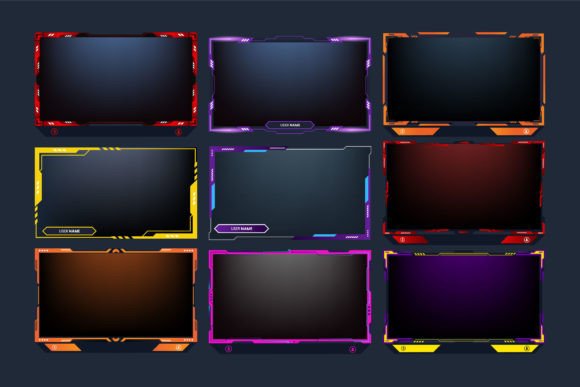
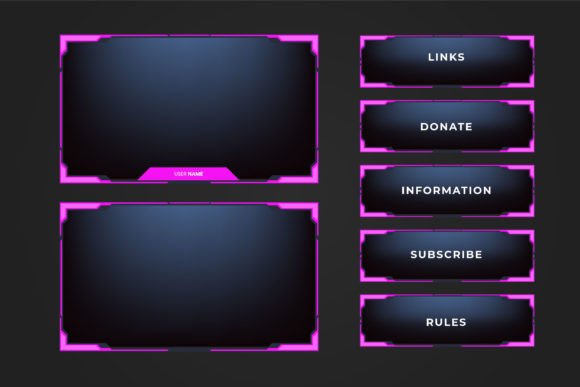
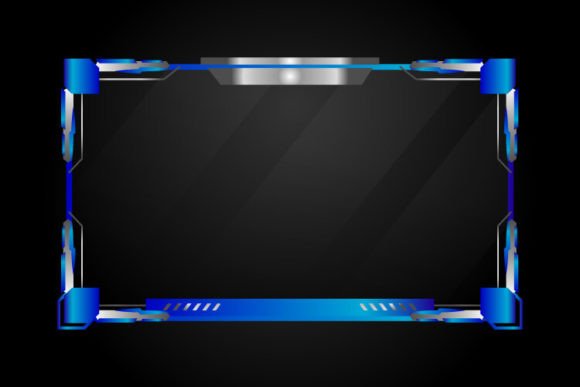
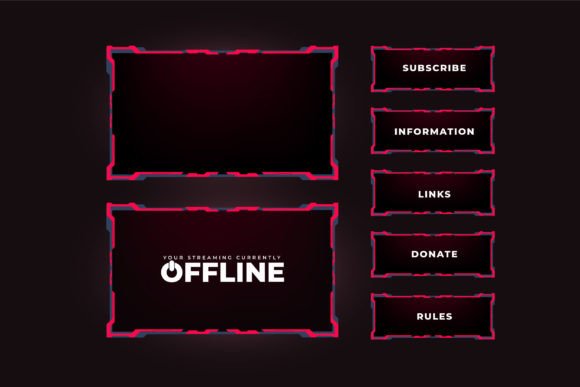
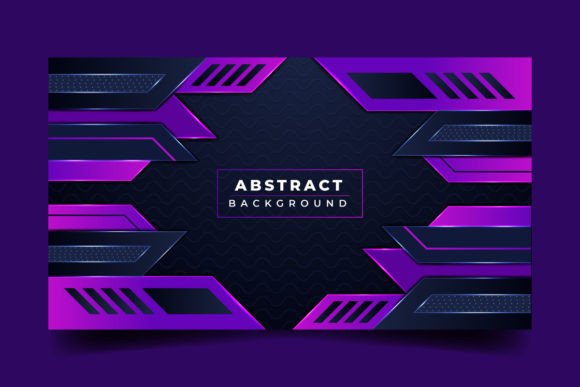
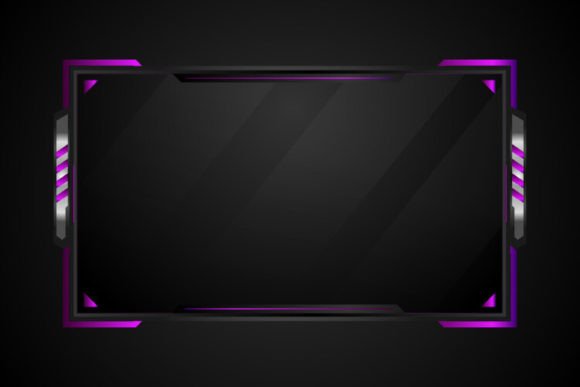
An abstract purple and grey overlay live stream esport gaming vector for print, decoration, element design and background immediately catches the eye because it promises both high energy and professional polish. Creators across live streaming, print marketing, and digital decoration gravitate toward this style for its balance of cool sophistication and competitive drive. Yet many first-timers and even experienced users make hidden missteps that turn a promising asset into a visual headache. Understanding where things go wrong before you commit saves time, money, and the reputation of your final output.
Assuming the Preview Tells the Whole Story
One of the most common frustrations comes from evaluating an abstract purple and grey overlay only by the JPEG preview you see on screen. That preview is a flat, often compressed single-layer image. The actual product you receive typically includes AI, EPS, PNG, JPG, and SVG formats. If you never open the vector files (AI, EPS, SVG) or the high-resolution PNG with transparency, you miss the true versatility. A streamer once told me they used the low-res JPG on their OBS layout and wondered why the overlay appeared blocky and had a glaring white box around it. The JPG was never meant for transparency; the PNG and vector versions solve that immediately. Before you download any pack labeled abstract purple and grey overlay live stream graphics, check which formats are included and be sure you know which one your specific use case demands.
Misunderstanding Scalability and What Vector Really Means
The presence of AI, EPS, and SVG files is a massive advantage, but too many people treat all files the same. A vector overlay can scale to a billboard or shrink to a badge without any quality loss. A raster JPG or even a large PNG will eventually pixelate if pushed beyond its native dimensions. If you print banners, stickers, or event backdrops, using the vector version is not optional—it is the difference between crisp edges and a fuzzy, amateur finish. The same rule applies if you animate your overlay for a live esports stream: scaling a logo or decorative element up during an intense moment will reveal any resolution shortcuts. Always identify the native vector in your download, typically Adobe Illustrator or SVG, and use that as your master working file whenever possible. Edit colors or remove elements there, then export to the specific raster size you actually need for streaming or web use.
Neglecting the Specifics of Transparency and Overlay Blending
An overlay by definition sits on top of gameplay, webcam feeds, or other visual content. If your file doesn’t support alpha transparency, you get that dreaded solid rectangle that blocks half the screen. PNG and SVG natively support transparent backgrounds, while JPG never does. Some EPS and AI files also maintain transparency, but you need to open them in the correct software to preserve it. I’ve seen content creators import an abstract purple and grey overlay live as a flattened image into their streaming software, only to realize the subtle geometric patterns obscure critical game elements. The fix is simple: open the original layered vector, adjust opacity or blending modes within your editing program, and export a PNG with the exact transparency settings your scene needs. Testing the blend mode in OBS or Streamlabs before going live avoids a frantic on‑air scramble.
Forgetting That Purple and Grey Print Very Differently Than They Glow on Screen
Colors that look vibrant and balanced on an RGB monitor can shift dramatically when translated to CMYK for physical prints. A rich electric purple might turn muddy, and cool grey hues can pick up unwanted magenta or yellow casts. This mistake hits hardest when you design a decorated product, event signage, or custom merchandise using the abstract purple and grey overlay without converting and proofing the colors. The vector files you receive often use RGB color spaces, perfect for screens, but less reliable for offset or digital printing. Before sending anything to a print shop, open the AI or EPS file, switch the document color mode to CMYK, and make minor saturation adjustments. Better yet, request a printed proof of a small section to confirm the purple retains its intended depth and the grey remains neutral. The small extra step prevents hundreds of ruined handouts or shirts.
Relying on a Single File Format for Every Purpose
Each file in the typical pack—Ai, Eps, Png, Jpg, Svg—serves a different master. The JPG is often a quick reference or a lightweight web placeholder. The AI and EPS files are your editable building blocks. The PNG gives you a ready-to-use transparent overlay for immediate streaming or design mockups. The SVG can be directly embedded in websites or into modern design software without quality loss. Grabbing only the JPG because it’s simplest to open is like driving with the parking brake on. You limit your options and force a square peg into a round hole. If you expect to reuse the abstract purple and grey overlay live stream esport gaming vector for multiple projects—say a website background, a printed banner, and an animated Twitch alert—take a few minutes to organize the original files and note which format solves which problem. Keeping the master vector safe ensures you never have to re‑purchase or desperately search through emails later.
Overcomplicating the Design Instead of Letting the Overlay Breathe
It is tempting to layer every element, add intense drop shadows, and crank up the effects because the purple and grey aesthetic feels futuristic. The best stream overlays and printed decorations show restraint. When you pile on additional graphics, text, and animations, the abstract composition loses its impact. The original design probably already balances geometric shapes, gradients, and negative space. Adding too many personal modifications can clash with game HUDs, reduce readability, or create a visually exhausting result. Before editing, test the overlay at full screen with your typical content. If you cannot instantly focus on the main subject—whether it’s a player webcam or a product photo—remove the last element you added. A cleaner layout keeps viewers engaged longer.
Ignoring Resolution and Export Settings for Live Video
Live streams and recorded videos have fixed output resolutions, usually 1080p, 1440p, or 4K. If your abstract purple and grey overlay is built at a mismatched size, scaling artifacts appear. For example, using a 720p PNG on a 1080p canvas will force the software to upscale, softening the sharp lines that make the design stand out. I’ve seen subtle grey gradients turn into banded stripes because of improper scaling. Export your final overlay PNG at the exact pixel dimensions of your streaming canvas, and double‑check that your streaming software is not applying its own lossy compression on top. A 1920x1080 PNG with clean anti‑aliasing preserves the designer’s original precision and keeps your brand looking premium.
Skipping a Quick Legal and Usage Check
Many of these vector packs come with a standard license that permits personal and some commercial use, but the details matter. If you plan to sell merchandise printed with the abstract purple and grey overlay, use it in a sponsored broadcast, or incorporate it into a logo you intend to trademark, you must verify the allowed usage. I’ve had small business owners assume unlimited commercial rights, only to receive a takedown notice later. Read the included documentation or ask the creator directly. This avoids awkward re‑branding and protects your revenue streams. If the license allows modification, always make enough changes so your final composition is distinctly yours, especially if you blend it with other protected artwork.
Neglecting to Test on Multiple Devices and Backgrounds
An overlay that looks sharp on a high‑end monitor might wash out on a dimmed phone screen or lose detail on a large venue projector. Purple, in particular, can shift intensity depending on display calibration. Before you finalize any public‑facing work, view your design on a tablet or a secondary monitor. If you are printing, ask for a sample on the exact material—whether it’s matte paper, glossy vinyl, or fabric. The abstract grey elements risk becoming invisible if they are too faint on a certain stock. Simple testing eliminates embarrassing mismatches and ensures the overlay communicates the sleek, competitive energy you intended.
Better Habits Save You From Rework
When you approach a download labeled abstract purple and grey overlay live with a clear checklist, you sidestep nearly every common trap. Confirm exactly which file types you actually need. Open the vector version first and keep a clean master copy. Set up your streaming software or design document with the correct resolution and color profile from the start. Test the overlay on three different screens if you can. These steps don’t require advanced skills; they simply require you to slow down and respect the technical nature of the files. In return, you get the dynamic, pro‑level finish that first caught your attention, whether that’s on a Twitch overlay, a printed banner, or a custom‑decorated gadget.