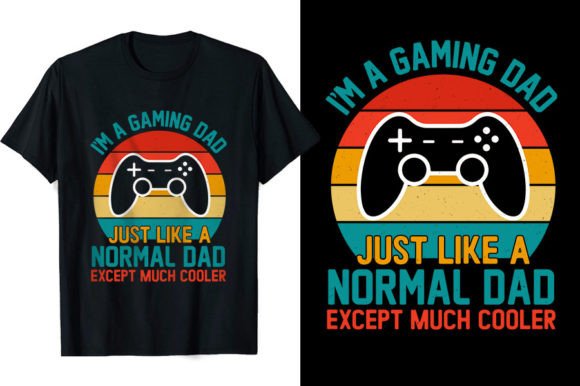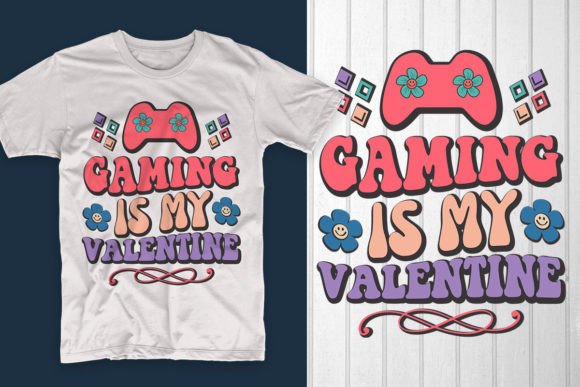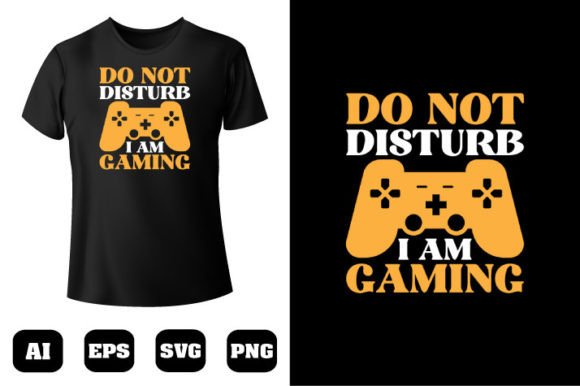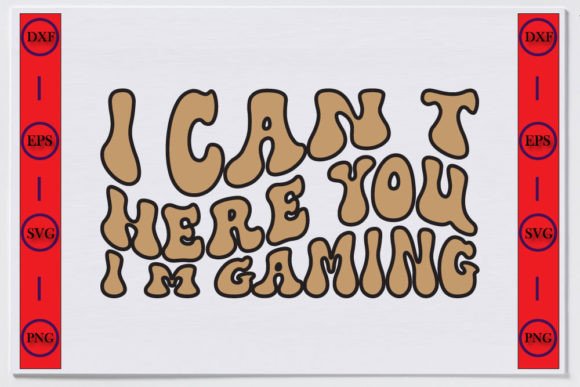
Gaming Unique Retro T-shirt Design, I Can't Hear You I'm Gaming: Why This Slogan Keeps Showing Up Everywhere
The phrase hits differently when you see it printed on a worn-in, vintage-style tee. Gaming Unique Retro T-shirt Design, I Can't Hear You I'm Gaming isn't just a funny line. It's a cultural signal. Walk into any casual hangout, gaming convention, or even a coffee shop near a college campus, and you'll spot some version of it. The retro aesthetic gives it staying power. The message does the rest.
What makes this particular design stand out is how it merges two things that don't always go together. Bold, unapologetic humor wrapped in a faded, throwback visual style. The kind of shirt that looks like you pulled it from a bin at a 1980s arcade, even though it arrived in your mailbox yesterday. People connect with that. They remember it. And that's exactly why the design keeps circulating in DIY circles, print-on-demand shops, and custom apparel groups.
What Actually Comes with the Design Bundle
When someone grabs this design pack, they're getting a zip folder with four file formats inside. One SVG file. One DXF file. One PNG file. One EPS file. That combo covers pretty much every printing setup imaginable. Whether you're working with a Cricut machine at home, sending files to a commercial screen printer, or mocking up a product on your laptop, one of those formats will fit the workflow.
The SVG handles cutting machines and web-based design tools. The DXF plays nicely with AutoCAD and certain laser engraving software. The PNG gives you a transparent background right out of the gate. And the EPS keeps things crisp for professional print jobs. That versatility matters. It means the same design can end up on a cotton tee, a ceramic mug, a canvas tote bag, a throw pillow, or even a hoodie without anyone needing to rebuild the artwork from scratch.
Who's Actually Using This Design and Where It Shows Up
Let's talk about real-world scenarios because that's where things get interesting. The Gaming Unique Retro T-shirt Design, I Can't Hear You I'm Gaming concept appeals to a surprisingly wide range of people.
Streamers and content creators use it as merch. They know their audience will recognize the joke instantly. A viewer wearing that shirt on a Discord call or during a live chat feels like part of the community. It's low-effort branding that actually works because it's genuinely funny, not forced.
Gift-givers gravitate toward it too. Someone shopping for a birthday present for a partner, sibling, or friend who spends hours on Call of Duty or Fortnite finds this design and thinks, "Yeah, that's them." The retro styling makes it feel more thoughtful than a plain text shirt. It looks curated, even if it took thirty seconds to choose.
Then there's the DIY crowd. People with a heat press at home, a vinyl cutter in the garage, or a small Etsy shop. They download the files, run a few test prints on different materials, and suddenly they've got inventory. T-shirts, hoodies, tote bags, framed prints. The design adapts to all of it.
Why Retro Aesthetics Work So Well for Gaming Culture
Gaming nostalgia is powerful. Someone who grew up blowing into NES cartridges or feeding quarters into an arcade cabinet responds to vintage visuals on a gut level. The distressed textures, the bold typography that echoes old console logos, the slightly faded color palettes. All of it triggers something.
So when a modern slogan like "I can't hear you, I'm gaming" gets wrapped in that retro treatment, it creates a bridge. It connects current gaming habits to childhood memories. A 35-year-old dad wearing this shirt isn't just telling his kids to wait a minute. He's nodding to his own history with games. The design says "I've been doing this since before online multiplayer existed."
Younger gamers appreciate it differently. For them, the retro look is aesthetic, not memory. It's cool because it's different from the clean, flat design trends they see everywhere else. The texture and wear add character that slick vector graphics don't have.
Practical Ways People Use the Files Beyond T-Shirts
Most buyers initially think t-shirt. That makes sense. But the beauty of having SVG, DXF, PNG, and EPS formats in one folder is that the design escapes the limits of apparel quickly.
Mugs are an obvious second choice. A ceramic mug with "I Can't Hear You I'm Gaming" in that retro font, sitting on a desk during a work-from-home day, sends a clear message. It's funny without being aggressive. Pillows and cushion covers get popular around the holidays. A throw pillow on a gaming chair or couch, printed with the design, turns a corner of a room into a statement.
Tote bags and drawstring backpacks carry the design into public spaces. Someone walking through a grocery store with that bag gets a few knowing smiles. It's a conversation starter. Laptop sleeves and phone cases come next. The PNG file works perfectly for print-on-demand sites that handle those products. Even wall art pops up. A canvas print of a retro gaming slogan in a game room or streaming setup adds personality without much effort.
Different Audiences, Different Reasons for Choosing This Design
A 22-year-old buying this for themselves wants something that represents their identity without having to explain it. They game. They zone out. The shirt does the talking. A 40-year-old parent buying it for a teenager understands the joke from the parent side. They've been ignored during gaming sessions. The shirt becomes a shared laugh rather than a point of tension.
On the business side, small print shops and custom apparel sellers see designs like this as reliable inventory. Retro gaming humor doesn't have an expiration date. It's not tied to a specific game release or a fleeting meme. A shop can list the t-shirt, the mug, the hoodie version, and the tote bag simultaneously, using the same design files across all products. That kind of efficiency matters when margins are thin.
Event organizers also find value here. A local gaming tournament, a charity stream marathon, or a LAN party might use the design for participant shirts or giveaway items. The retro vibe fits the community atmosphere. It feels inclusive. People want to wear something that marks them as part of the event without feeling like a walking advertisement.
What to Consider Before Buying or Using the Design
File compatibility comes first. Check whether the cutting machine or software you use accepts SVG or DXF formats. Most modern ones do, but older versions of some programs might struggle. The EPS file handles professional printing beautifully, but it requires software like Adobe Illustrator or CorelDRAW to open and edit. The PNG is the most accessible. Anyone can use it. But scaling it up too much will cause quality loss since it's raster, not vector.
Licensing matters too. Most design bundles like this allow personal use and limited commercial use. That means printing shirts for yourself, your friends, or your small shop is fine. But reselling the digital files themselves typically isn't. Understanding the boundaries upfront prevents headaches later.
Color choices affect the final look significantly. The retro design often looks best on darker or heathered backgrounds. Black, charcoal, navy, or a faded military green make the vintage treatment pop. Light gray with a distressed print comes close to an authentic vintage tee feel. Bright white shirts can sometimes make a retro design look cheaper than intended, washing out the subtle aging effects.
Printing Methods and How the File Formats Support Them
Heat transfer vinyl works great with the SVG file. Cut the design, weed it carefully, and press it onto fabric. The DXF file serves a similar purpose for users working with different cutting software. Screen printing benefits from the EPS format. That vector data stays crisp regardless of size, so printing a large back design or a small left-chest logo both turn out clean.
Direct-to-garment printing and sublimation favor the PNG. The transparent background means the design sits on the shirt without a white box around it. And because the retro style already has a slightly worn look, minor imperfections in the print process often enhance the aesthetic rather than ruin it.
Sublimation in particular opens up polyester fabrics, mugs, mousepads, and phone cases. The design transfers into the material rather than sitting on top of it. That durability matters for items that get heavy use. A gaming mousepad with the slogan, printed via sublimation, won't crack or peel over time the way a vinyl transfer might.
Customization Options People Explore
Some users buy the design and then tweak it. Maybe they change the color palette to match their streaming brand. Maybe they add their gamertag underneath the main slogan. The EPS and SVG files make those edits possible in vector software. Someone with basic design skills can adjust colors, resize elements, or combine this design with other graphics to create something unique while keeping the retro vibe intact.
Others use the design as a template. They love the font treatment and the distressed texture but swap out the words. "I Can't Hear You I'm Coding" or "I Can't Hear You I'm Reading" start appearing on shirts within the same friend group. The structure works for any focused, zone-out activity. The core appeal isn't just gaming. It's the universal experience of being completely absorbed in something you love.
Where the Design Truly Shines
The Gaming Unique Retro T-shirt Design, I Can't Hear You I'm Gaming concept hits its peak in casual, social, and gift-driven situations. It's not a formal piece. No one wears it to a job interview. But at a backyard barbecue where someone fires up the retro console, at a friend's apartment for a game night, at a convention center full of like-minded people. That's where the shirt earns its place.
It works because it's honest. The person wearing it isn't trying to impress anyone. They're stating a simple truth with style. The retro treatment gives that statement a warm, approachable edge. It's defiant without being rude. It's funny without trying too hard. And in a world full of loud, chaotic graphic tees, that balance stands out.
Potential Limitations Worth Noting
The design's broad appeal can also be a double edge. Because it's not tied to a specific game or niche, it doesn't create the same tight community recognition that a Destiny raid shirt or a League of Legends champion design might. It's generalist. That's a strength for sales and gifting but a limitation for people seeking hyper-specific fandom representation.
The quality of the final product depends heavily on execution. A poorly pressed vinyl transfer on a cheap, thin shirt loses the retro charm. The design itself might be great, but if the material feels rough and the print cracks after two washes, no one cares how good the files were. Choosing decent blanks and taking time with the application makes the difference between something that looks intentional and something that looks like a rushed craft project.
For the DIY user, weeding intricate distressed textures from vinyl can be tedious. The design might include small details that require patience during the cutting and weeding process. Someone new to heat transfer might find it frustrating. That's where the screen-printed or DTG route becomes appealing. Paying a professional to handle the production removes that friction entirely.
The Lasting Appeal of Slogan-Driven Retro Designs
Trends shift. Game titles come and go. But a shirt that jokes about tuning out the world while gaming taps into something that doesn't change. People will always use games to disconnect, to recharge, to focus. The phrase will stay relevant because the behavior stays relevant.
The retro styling adds longevity. It's already referencing the past, so it doesn't age poorly the way overly trendy graphic treatments might. Five years from now, the same design still works. The same files still print. The same jokes still land. That's what makes a design bundle like this worth keeping in a library, whether for personal projects or a rotating product catalog.
For anyone sitting on the fence about whether to use the Gaming Unique Retro T-shirt Design, I Can't Hear You I'm Gaming files, the answer usually comes down to one question. Do you know someone who would laugh wearing it. If the answer is yes, the four file formats waiting in that zip folder are ready for whatever project you throw at them.