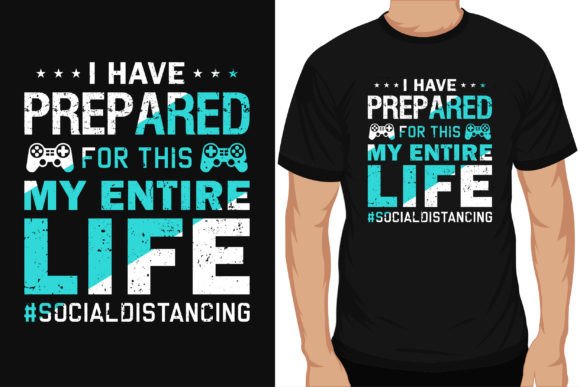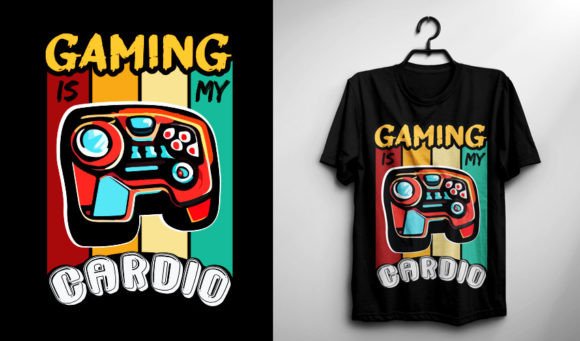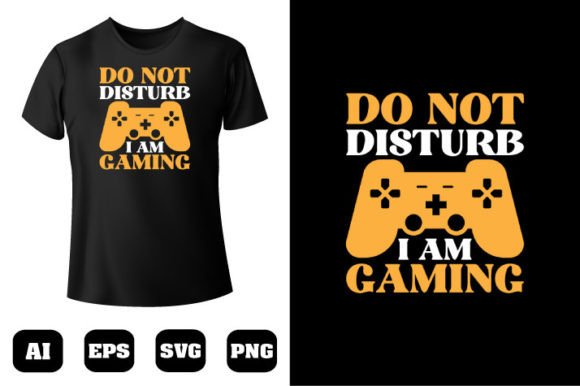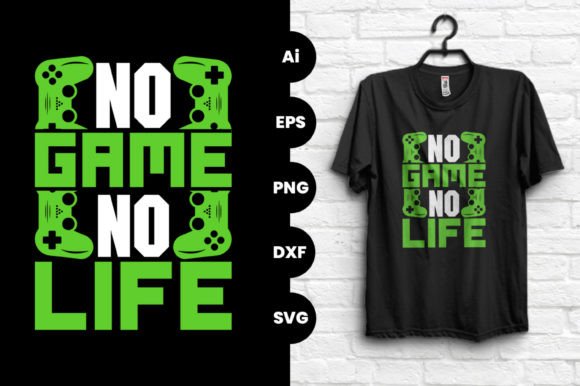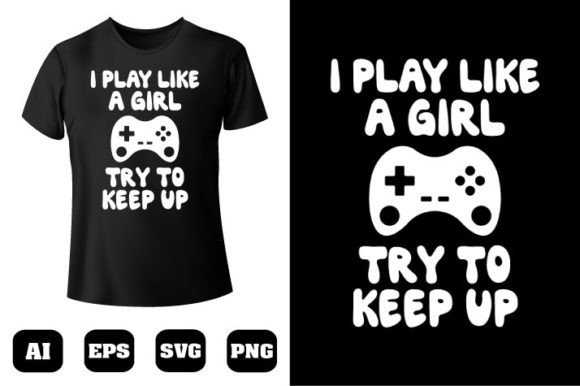
Gaming T-shirt Design 119: What Makes It Stand Out
Finding a print-ready t-shirt design that actually works the first time can feel like digging through a stack of empty promises. You open a file only to discover it is a low-resolution mess, or the colors are locked in ways that make it impossible to match your brand. Gaming T-shirt Design 119 takes a different approach. It is built from the start as a flexible, high-quality asset that fits into real production workflows without the usual headaches.
At its simplest, this is a gaming-themed vector illustration packaged for immediate use. But that description barely scratches the surface. The design belongs to a broader category of gaming t-shirt design resources that cater to streamers, merchandise sellers, community managers, and hobbyists who want something that looks professional without hiring a custom illustrator for every project.
What Exactly Is Gaming T-shirt Design 119
Think of it as a complete visual composition created with the gaming culture in mind. It uses bold shapes, recognizable gaming motifs, and a layout that translates well onto fabric. The entire piece is built from one hundred individual vector shapes, each one fully scalable without any loss of sharpness. That means you can print it on a small chest logo placement or blow it up for an all-over back print, and the edges stay crisp.
The real power sits in the format. This is not a flattened JPEG that limits what you can adjust. It is an editable vector file, specifically an Adobe Illustrator CC document, which opens the door to serious customization. Whether you want to tweak a single element, change the entire color scheme, or pull apart individual components to create something new, the file structure supports that kind of work.
Why the File Format Matters More Than You Think
Many people new to t-shirt printing underestimate how much the source file type affects the final product. A PNG works fine for quick previews or simple uploads to print-on-demand platforms. But if you ever need to resize the artwork significantly or have a printer request vector files for screen separation, that PNG becomes a limitation. Gaming T-shirt Design 119 includes four file formats: AI, EPS, PNG, and SVG. The AI and EPS files preserve full editability. SVG opens doors for web-based design tools and cutting machines. PNG gives you a ready-to-upload option when you need speed over customization.
Built for Print Production From Day One
The phrase "ready to print" gets thrown around loosely, but here it means something specific. Every element is set at three hundred dots per inch, which is the industry standard for apparel decoration. Drop the file into your print setup, and you will not see jagged edges or muddy details that often plague designs ripped from low-quality sources.
Screen printers especially benefit from this structure. Separating colors for individual screens becomes straightforward because the original artwork is clean and well-organized. Direct-to-garment users can simply open the high-resolution PNG and send it to the printer without any extra preparation. Heat transfer vinyl enthusiasts can trace the vector paths with precision. The design adapts to the method rather than forcing you into one specific approach.
One Hundred Colors You Can Actually Change
A common frustration with pre-made designs involves color limitations. You find something that almost fits your brand, but the main accent color clashes with your logo, and changing it requires tedious manual selection work. This design explicitly supports one hundred color variations, and the editing process is straightforward. Open the AI file, select the elements you want to adjust, and apply your chosen palette. You can match team colors, seasonal themes, or specific merchandise collections without rebuilding anything from scratch.
This flexibility proves especially valuable for small businesses running limited drops. You might release the same core design in three different colorways across separate product lines. With the color-changeable structure, that becomes a matter of minutes, not hours.
Who Actually Benefits From This Kind of Design
The audience spans further than you might expect. Streamers looking to create merchandise for their community can take this design, apply their brand colors, add a channel name, and have a product ready for a print-on-demand listing within an afternoon. Small apparel brands testing new niches can skip the concept phase and jump straight to production, seeing how a gaming-themed piece performs before investing in custom illustration work.
Educators running design workshops find value in the organized vector structure. The one hundred shapes give students a practical example of how professional artwork is constructed. They can dissect the file, learn about layering and grouping, and practice recoloring techniques on a real-world asset rather than abstract exercises.
Hobbyists crafting gifts for gaming groups, tournament organizers needing team shirts, and bloggers creating branded giveaways all fall into the same category of users who want quality without the steep learning curve or expense of original artwork.
Realistic Use Cases That Go Beyond Apparel
While the name emphasizes t-shirts, the application possibilities branch out naturally. Use the vector elements for twitch overlays, social media graphics, poster prints, or sticker sheets. Resize individual shapes for embroidered patches. Pull out a single icon for a mobile wallpaper design shared with a community. The one hundred re-sizable vector shapes act like a modular kit that extends far beyond fabric printing.
Some creators use designs like this for promotional materials at gaming events. A matching set of shirts, banners, and digital ads creates a cohesive visual identity without commissioning multiple separate assets. Because the vector files scale indefinitely, the same artwork works on a business card just as well as it does on a six-foot backdrop.
Practical Considerations Before You Start
A few things are worth thinking through before purchasing or downloading. First, you will need software capable of opening and editing AI or EPS files if you plan to customize the design deeply. Adobe Illustrator CC is the primary tool referenced, but alternatives like Affinity Designer or CorelDRAW can handle these formats, though results may vary depending on the complexity of effects used.
Second, think about your intended print method and garment color. The design itself is high-quality, but no artwork exists in a vacuum. A dark heather shirt requires different ink considerations than a bright white cotton tee. Test prints on a small scale help you dial in the exact look before committing to a full production run.
Third, consider licensing. The files included cover the formats specified, but usage rights depend on the seller's terms. If you plan to incorporate the design into products you sell commercially, confirm that the license supports that use. Most marketplaces clearly state whether a design is for personal projects, commercial products, or both.
Getting the Most Out of the Editable Format
Newcomers sometimes open a vector file and feel overwhelmed by the sheer number of layers and shapes. Take it step by step. Start by exploring the color palette and swapping out the default shades for your preferred ones. Then try isolating a few shapes to understand how they fit together. The easy-to-edit structure means you can undo mistakes quickly, so experimentation carries little risk.
For those who want to push further, consider combining elements from this design with other vector assets. The gaming-themed shapes might blend well with typography you already own or with geometric backgrounds from other sources. Treat the design as a strong foundation rather than a finished ceiling.
Why Consistent Quality Across Formats Matters
The inclusion of AI, EPS, PNG, and SVGs in a single package solves a real workflow problem. Different platforms and printers demand different formats, and converting between them often introduces errors. A poorly traced SVG loses detail. An EPS exported from the wrong settings creates bounding box issues. Having each format properly prepared from the source file eliminates guesswork.
The PNG serves as the universal fallback. Even if you never touch the vector files, you can upload the PNG to print-on-demand services and get a clean result. But knowing the vectors are there gives you room to grow into more advanced production methods over time.
Building a Collection Without Burnout
Designers who follow the creator behind Gaming T-shirt Design 119 often discover that building a library of complementary assets makes ongoing work far more efficient. One design fits a certain mood or sub-genre. Another brings a different energy. Stocking up on several ready-to-print gaming designs means you can rotate offerings, respond to trends quickly, and keep your merchandise catalog feeling fresh without burning out on custom creation.
For entrepreneurs running niche apparel stores, this approach supports the rapid testing model. Release a design, see how the audience responds, and iterate. If a specific style resonates, you can expand on it with related designs or commission custom work that builds on proven interest.
The invitation to follow for more unique designs points to an ongoing source of material. Rather than a one-off transaction, you tap into a stream of work that evolves alongside gaming culture and design trends. That continuity matters when you are trying to maintain a consistent brand presence in a fast-moving space.
Small Details That Make a Big Difference
The three hundred dpi resolution deserves a moment of appreciation. Low-resolution artwork often sneaks through because it looks acceptable on a screen. But the moment ink hits fabric, those hidden imperfections become visible. Threads absorb ink differently than pixels, and what seemed sharp on a monitor can turn fuzzy and unprofessional. Starting at print resolution removes that variable entirely.
The one hundred vector shapes, each individually re-sizable, also enable creative compositions that go beyond the original layout. You might take half the shapes and arrange them into a sleeve print. Use another portion for a pocket design. Combine select elements with text for a tournament jersey. The modular architecture encourages remixing rather than passive consumption.
For anyone who has ever struggled with a design file that arrived as a single flattened layer, the editable structure of Gaming T-shirt Design 119 feels like a genuine upgrade. You are not stuck with someone else's vision. You get a well-built starting point that respects your creative input.
Is This the Right Fit for Your Project
Matching the design to your specific goals comes down to a few honest questions. Does the visual style align with your audience's taste? Are you equipped to handle vector editing if you need deep customization? Does your printing method benefit from the provided formats? If the answers lean positive, the technical quality and flexibility make this a practical asset worth considering.
The broader category of gaming t-shirt design continues to grow because gaming culture now touches so many different communities. Esports, retro gaming, tabletop gaming, and game development all produce audiences hungry for apparel that reflects their identity. A well-executed design bridges the gap between niche enthusiasm and wearable fashion, and the technical foundation determines how smoothly that bridge holds up under real production conditions.
Whether you are printing one shirt for a personal project or scaling up to hundreds of units for a commercial launch, the files, the resolution, the editability, and the color flexibility all serve the same purpose: removing friction from the creative process so you can focus on what the design communicates rather than wrestling with how it behaves on your screen.